

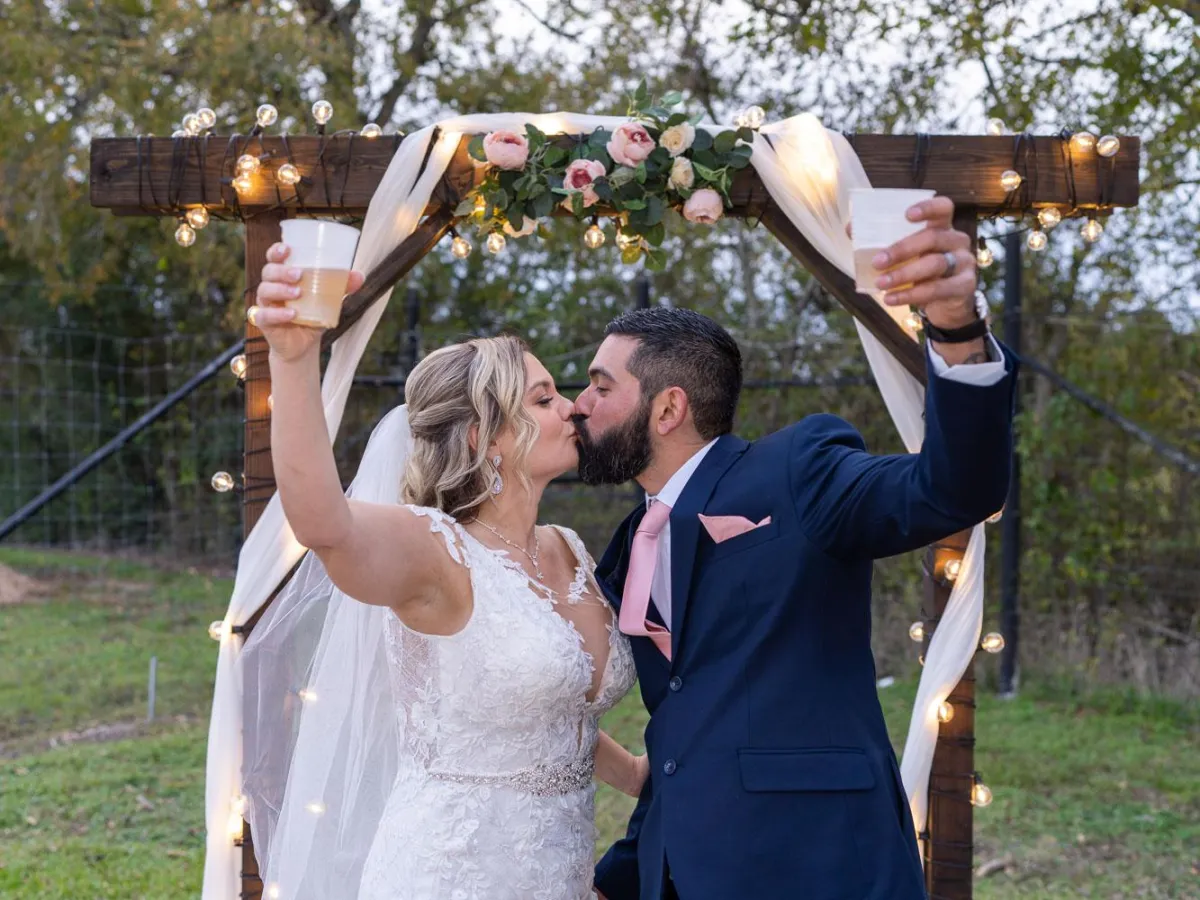
What to Expect From Your Wedding Photographer on Your Wedding Day
Your wedding day moves fast. One minute you are getting ready with your closest friends, and the next you are walking back down the aisle as newlyweds wondering how the ceremony passed so quickly.
That is exactly why your photographer plays such an important role. Beyond taking beautiful pictures, the right photographer helps keep the day organized, watches for moments you may never notice, and gives you a visual record of everything you will want to remember years from now.
If you are preparing for your wedding, here is what you can realistically expect from your photographer before the first photo is taken through the final reception moments.
Your Photographer Arrives Prepared and Ready to Work
A good photographer does not show up on your wedding day asking what happens next. Much of the important planning should already have taken place.
Before the wedding, you and your photographer will typically discuss your timeline, ceremony location, reception schedule, family photo combinations, special traditions, and any must-have images.
On the wedding day itself, your photographer should arrive with enough time to get familiar with the setting and begin documenting details before the schedule becomes busy.
That may include:
Wedding dress and attire
Rings and jewelry
Invitations and stationery
Shoes and accessories
Bouquets and floral details
Venue décor
Personal keepsakes
Candid preparation moments
When working with a Houston Texas wedding photographer, it also helps to choose someone familiar with the realities of local weddings, including changing weather, bright outdoor light, large venues, and the travel time between ceremony and reception locations.
Good preparation gives your photographer more freedom to focus on what matters most: the people and moments happening around you.
Expect Direction Without Feeling Like You Are in a Photo Shoot

Many couples worry that wedding photography will feel awkward or overly staged. It should not.
An experienced photographer knows when to offer direction and when to disappear into the background.
During portraits, you may receive simple guidance about where to stand, what to do with your hands, where to look, or how to move. The goal is usually not to create stiff poses. It is to help you look comfortable while still allowing your personality and connection to show.
During the ceremony and reception, the approach changes.
Your photographer will usually document events as they unfold rather than constantly interrupting them. They may quietly reposition themselves to capture:
Your partner's reaction as you walk down the aisle
Parents watching the ceremony
Guests laughing during speeches
Children dancing at the reception
Emotional hugs between family members
Small interactions between the two of you
Strong wedding photography services combine both approaches. You receive polished portraits worth framing while also getting candid photographs that show what the day genuinely felt like.
The best images often come from moments you never realized were being photographed.
Your Photographer Helps Keep Important Photos on Schedule
Your photographer is not your wedding planner, but photography and the wedding timeline are closely connected.
Family portraits, wedding-party photographs, couple portraits, and sunset images all need to happen within limited windows. If one part of the schedule runs late, your photographer may need to adjust quickly.
Family portraits are a good example.
Without a prepared list, gathering relatives can become surprisingly time-consuming. Uncle John disappears to the cocktail hour. Grandma is talking to another guest. Half the wedding party has already walked toward the reception.
A planned shot list helps your photographer work through important combinations quickly so everyone can get back to celebrating.
Your photographer may also coordinate with your planner, venue staff, DJ, videographer, or officiant to make sure major events are not missed.
That can include:
First looks
Ceremony entrances
First kiss
Grand entrance
Cake cutting
Toasts
First dance
Parent dances
Bouquet or special traditions
Reception exit
An experienced photographer knows that weddings rarely stay perfectly on schedule. Being able to adjust without creating stress is part of the job.
A Short Wedding-Day Example
One couple planned their portraits immediately after an outdoor ceremony, but unexpected rain arrived minutes before the ceremony ended. Instead of rushing everyone outside, the photographer moved family portraits to a covered area of the venue and used the delay to photograph candid guest moments. Twenty minutes later, the rain stopped and the couple stepped outside for portraits under softer post-storm light. The schedule changed, but the couple never felt pressured. They still received their family photographs, romantic portraits, and candid reception images. That kind of calm problem-solving is often just as valuable as technical camera skill.
A Professional Watches for the Moments You Cannot Plan
You will probably have a list of photographs you know you want.
What you cannot create a list for are the unexpected moments.
Your father may quietly wipe away a tear before walking you down the aisle. Your grandmother might pull your partner aside for a hug. Your best friend may burst into laughter halfway through a speech.
Those moments happen once.
A professional wedding photographer learns to anticipate them by watching people, understanding how weddings unfold, and staying alert even when nothing scheduled is happening.
That awareness is one of the biggest differences between simply having someone with a good camera and hiring an experienced wedding professional.
They are constantly looking for:
Emotion
Reactions
Relationships
Movement
Interesting light
Meaningful details
Unexpected interactions
You may not even know some of these moments happened until you see your finished gallery.
What Happens After the Wedding?
Photography does not end when your photographer packs up their equipment.
After the wedding, the editing process begins.
Your photographer will typically sort through hundreds or even thousands of images, remove duplicates or unusable frames, correct exposure and color, and edit the strongest photographs into a consistent gallery.
Depending on the photographer, you may also receive:
Sneak-peek photographs shortly after the wedding
A private online gallery
High-resolution downloads
Print ordering options
Albums or keepsake books
Sharing access for family and friends
Delivery timelines vary, so this is something worth discussing before signing your photography agreement.
You should also understand exactly what your package includes. Ask about coverage hours, second photographers, engagement sessions, albums, printing rights, travel fees, and gallery delivery.
Clear expectations now prevent confusion later.
Choose Someone You Trust With the Entire Experience
Wedding photography is not simply about producing pretty pictures. Your photographer will be beside you during some of the most personal moments of your wedding day.
You should feel comfortable with that person.
Look beyond portfolios when making your decision. Ask how they handle difficult lighting, schedule delays, family portraits, bad weather, crowded venues, and unexpected changes.
Most importantly, choose someone whose presence makes you feel relaxed.
When you trust your photographer, you can stop thinking about the camera and focus on getting married.
Your wedding lasts one day. Your photographs become the way you revisit it for decades.
Ready to make sure every meaningful moment is documented beautifully? Contact us today to discuss your wedding plans, photography needs, and availability for your date.