

Light and Airy vs Dark and Moody Wedding Photography
Choosing a wedding photography style is not just about picking pretty pictures. It shapes how your entire wedding story will feel years from now when you open your album, frame your portraits, or share your favorite gallery with family.
Some couples love soft, bright, romantic images that feel timeless and elegant. Others are drawn to deeper tones, rich shadows, and emotional storytelling that feels cinematic. If you are comparing styles while searching for a Houston Texas wedding photographer, understanding the difference between light and airy versus dark and moody photography can help you choose with confidence.
In this guide, you will learn what each style looks like, how it affects your wedding gallery, which one fits your venue and personality, and how to choose the right photographer for your vision.
What Is Light and Airy Wedding Photography?
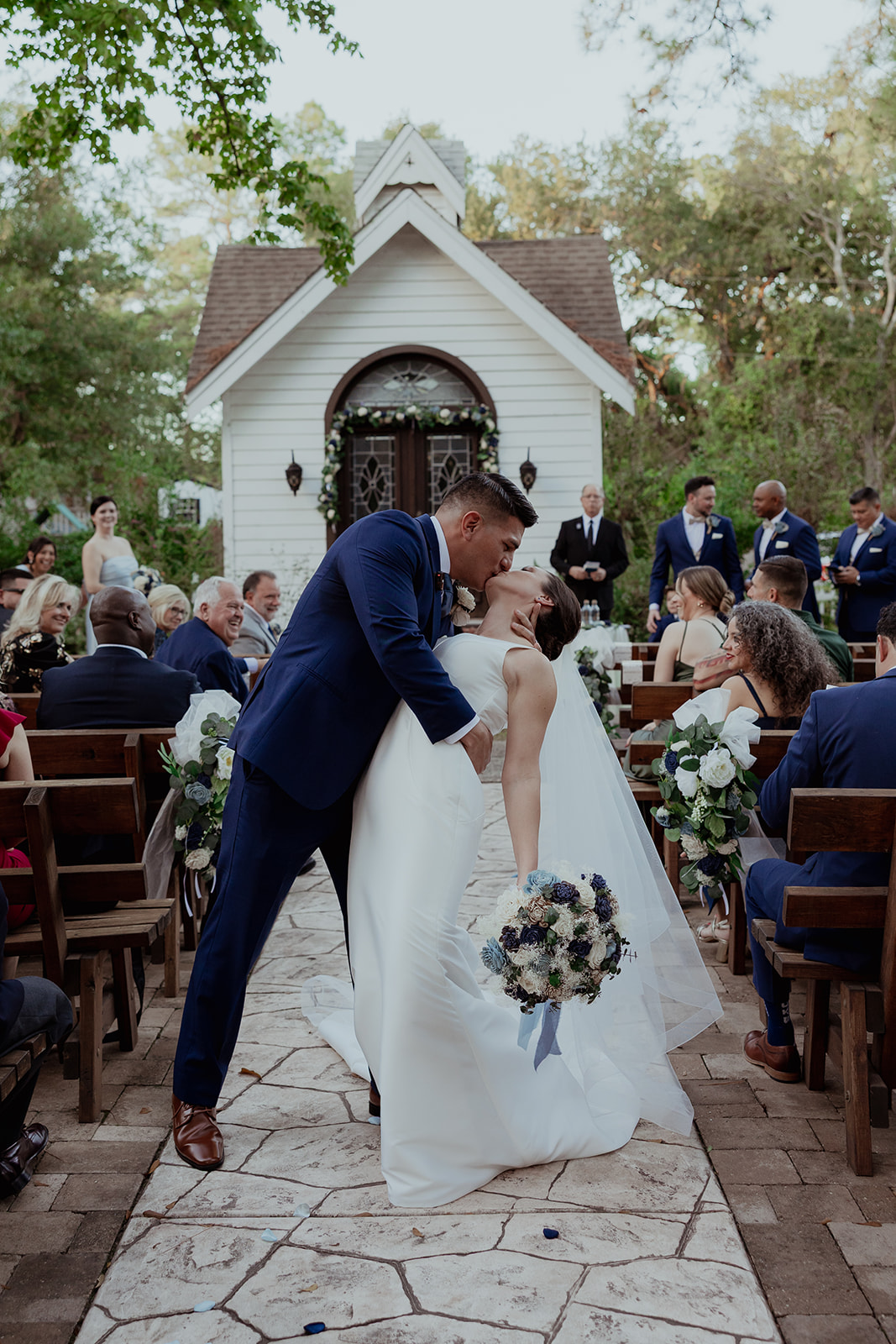
Light and airy photography is bright, soft, clean, and romantic. It often uses natural light, pale colors, gentle contrast, and creamy skin tones to create a polished look. This style is popular for garden weddings, outdoor ceremonies, luxury venues, pastel color palettes, and couples who want their photos to feel fresh and classic.
A light and airy gallery often includes:
Soft whites, blush tones, creams, and muted colors
Bright backgrounds and glowing natural light
Gentle editing with minimal harsh shadows
A romantic, graceful, editorial feel
Clean portraits that look elegant in albums and wall art
This style works especially well when the venue has large windows, open outdoor areas, neutral décor, or lots of daylight. It can make a wedding feel dreamy, calm, and refined.
The challenge is that light and airy photography depends heavily on light quality. Harsh midday sun, dark indoor rooms, or heavy artificial lighting can make this style harder to achieve unless the photographer knows how to manage exposure, direction, and editing.
What Is Dark and Moody Wedding Photography?
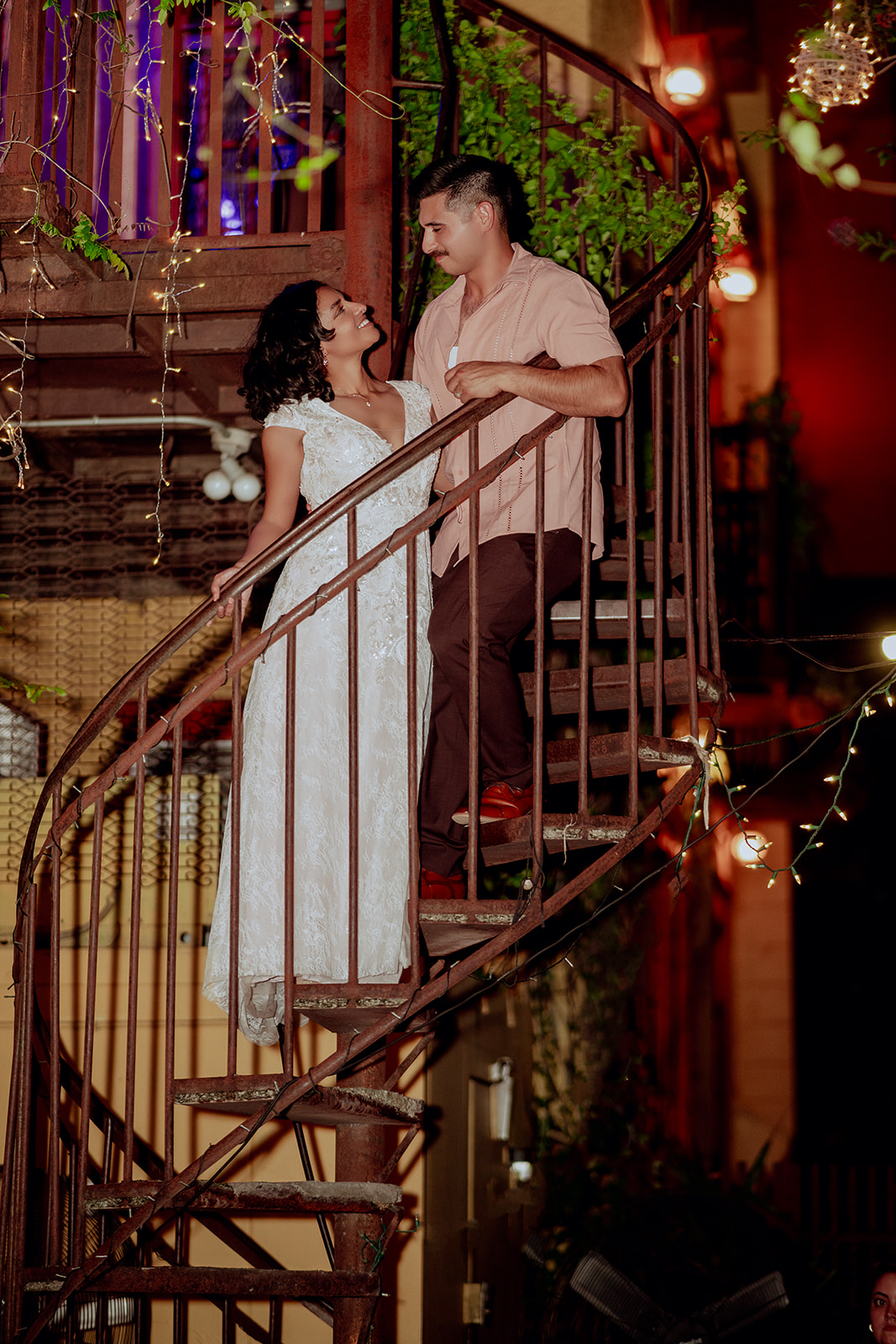
Dark and moody photography leans into depth, emotion, contrast, and atmosphere. Instead of making every image bright, this style uses shadows, warm tones, rich colors, and dramatic composition to create a more intimate look.
Couples often choose this style when they want their images to feel emotional, artistic, and story-driven rather than overly polished. It is especially strong for candlelit receptions, evening ceremonies, historic venues, industrial spaces, rustic locations, and weddings with deep color palettes.
Dark and moody galleries often include:
Warm browns, deep greens, burgundy, black, gold, and earthy tones
Stronger contrast and richer shadows
More emotional, cinematic storytelling
Dramatic portraits and detail shots
A cozy, intimate feeling
This style can make ordinary moments feel powerful. A quiet glance, a candlelit first dance, or a tearful toast can carry more visual weight when shadows and contrast are used well.
The risk is that dark and moody editing can sometimes go too heavy. If skin tones look muddy or details disappear, the style may feel trendy instead of timeless. That is why reviewing full galleries matters more than judging a photographer by a few Instagram highlights.
Which Style Fits Your Wedding Best?
The right choice depends on your venue, season, color palette, personality, and the feeling you want your images to carry. Neither style is automatically better. The best style is the one that supports the story you actually want to remember.
Choose light and airy if you want:
A romantic, soft, elegant look
Bright portraits and clean details
A classic wedding album feel
Outdoor garden, chapel, estate, or luxury venue photos
Pastel, white, champagne, or neutral wedding colors
Choose dark and moody if you want:
A dramatic, intimate, artistic look
Rich emotion and cinematic storytelling
Stronger shadows and warm tones
Evening, indoor, rustic, industrial, or historic venue photos
Earthy, jewel-toned, black, burgundy, or gold wedding colors
Some couples do not fit neatly into either category. You may love bright ceremony photos but want romantic, dramatic reception images. In that case, ask about a balanced editing style. Many experienced photographers can preserve true-to-life colors while still giving your gallery depth, softness, and emotion.
When reviewing wedding photography services, do not just ask whether the photographer shoots light and airy or dark and moody. Ask to see complete wedding galleries from venues similar to yours. A full gallery shows how the photographer handles getting-ready rooms, harsh sunlight, ceremony lighting, family portraits, reception details, and dance floor moments.
Why Your Photographer’s Portfolio Matters Most
Style words are helpful, but portfolios tell the truth. A photographer may describe their work as romantic, editorial, timeless, or cinematic, but the real answer is in the consistency of their galleries.
Look closely at:
Skin tones in different lighting situations
Ceremony photos from start to finish
Reception images after sunset
Family portraits and candid moments
Detail shots of flowers, rings, invitations, and décor
How emotion is captured during real moments
A strong portfolio should feel cohesive without looking repetitive. You want a photographer who can adapt to changing light, unpredictable weather, emotional moments, and fast-moving timelines without losing the overall feel you hired them for.
For wedding day photography, this matters because your photographer is not working in a studio with perfect conditions. They are moving through real rooms, real timelines, real weather, and real emotions. The right photographer knows how to protect the style you love while still documenting the day honestly.
Short Case Study: Choosing the Right Style
A Houston couple originally wanted a fully light and airy gallery because they loved soft outdoor portraits. Their venue, however, had a darker indoor chapel and a candlelit reception space. After reviewing full galleries, they chose a photographer with a balanced style: bright, elegant portraits during daylight and richer, more emotional reception coverage in the evening. The result felt natural instead of forced. Their ceremony photos stayed soft and romantic, while their reception images captured warmth, movement, and atmosphere. By matching the photography style to the actual venue, they ended up with a gallery that felt beautiful from start to finish.
How to Choose With Confidence
Before booking, create a small visual shortlist. Save 10 to 15 wedding photos you genuinely love, then look for patterns. Are they bright and clean? Warm and dramatic? Soft and emotional? Editorial and polished? Your saved images will usually reveal your taste faster than trying to describe it from scratch.
Then ask your photographer these questions:
Can I see full galleries in a similar venue or lighting setup?
How do you handle dark reception spaces?
Do you use flash, natural light, or both?
How would you describe your editing style?
Will our final gallery look similar to your portfolio?
How do you keep skin tones natural?
The right photographer will not pressure you into a style that does not fit. They will explain what is realistic for your venue, timeline, season, and lighting conditions.
Final Thoughts
Light and airy photography feels soft, romantic, and timeless. Dark and moody photography feels emotional, dramatic, and cinematic. Both can be beautiful, but the best choice depends on your wedding setting, your personality, and the kind of memories you want to relive.
If you are planning your wedding and still deciding which photography style fits your day, explore full portfolios, compare real galleries, and choose a photographer whose work already feels like the story you want told.
Ready to find the style that feels like you? Browse the portfolio and reach out to start planning wedding photos that match your vision from the first look to the final dance.